
1.
2.
3.
4.
Aunty Julie McHale’s
Foundational Knowledge
There are many Countries in Indigenous Australia
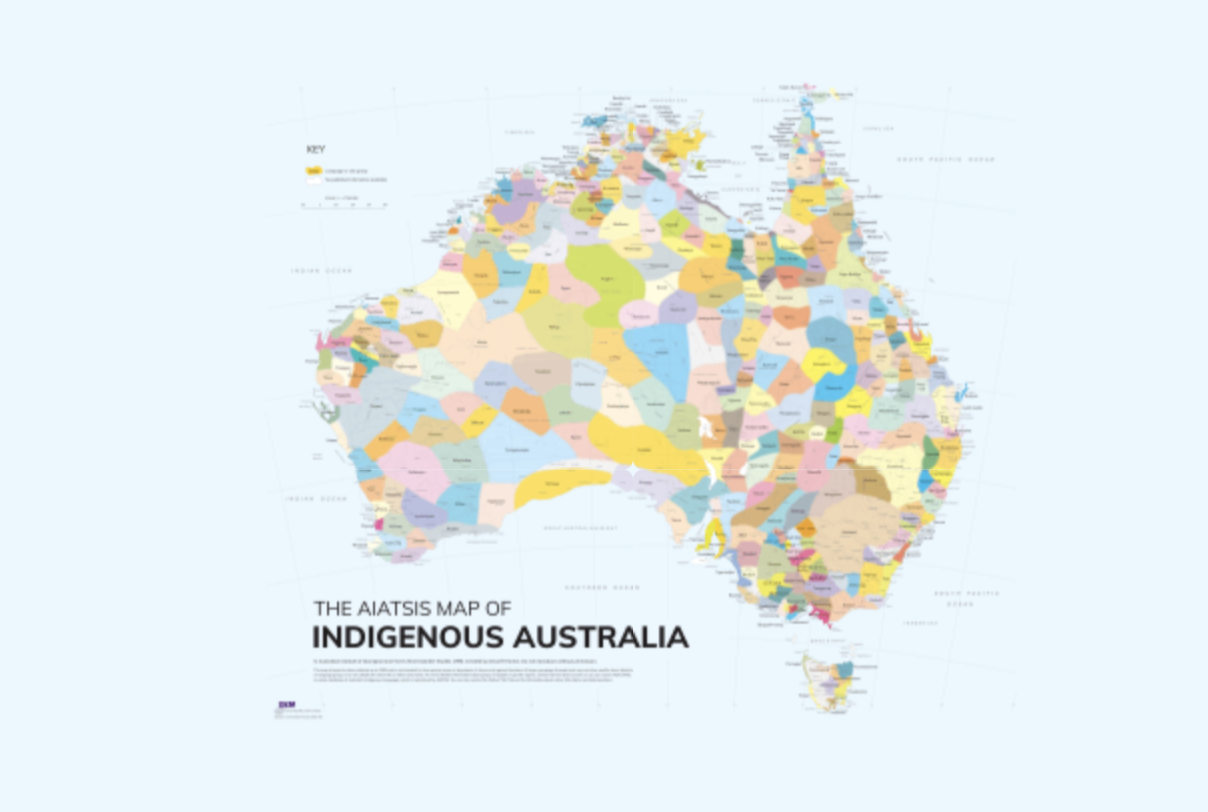
It is important that all Australians understand that there are many (250–450 or more) Countries in Australia, each of the colours is a different Country. For older children Teachers can compare it to a map of Europe – kids will know France, Germany, Switzerland etc.
Each of these Mobs have a different Language, Art, Music, Song, Religion, Teaching etc.
WHAT TEACHERS CAN DO:
Display the AIATSIS map of Indigenous Australia in your classroom.
Welcome to Country
Explain that “Welcome to Country” means welcoming people to individual Country, not to Australia. Explain that each of these Countries has a People Name and a Language Name. Language Name is usually preferred.
Follow protocol
First Nation Peoples can’t speak for all mobs. So when we share knowledge, we always acknowledge where the knowledge comes from, the person, their mob group and their Country.
First Nations rather than Aboriginal
Aboriginal and Torres Strait Islander peoples are called “First Nations” to acknowledge them as the original sovereign owners of the land with distinct laws, languages, and cultures long before European colonisation.
Aunty Julie McHale shares tips on how to start incorporating Indigenous knowledge and pedagogy into your classroom.
WHAT TEACHERS CAN DO:
Share the Victorian Mob Map. Point to where you live. Explain that the First Nation People from here are Dja Dja Wurrung (Language) or the Djaara (people).
WHAT TEACHERS CAN DO:
Follow protocol by always acknowledging where knowledge comes from. Including: the name of the person who shared the knowledge, their mob group, and the Country where the knowledge came from.
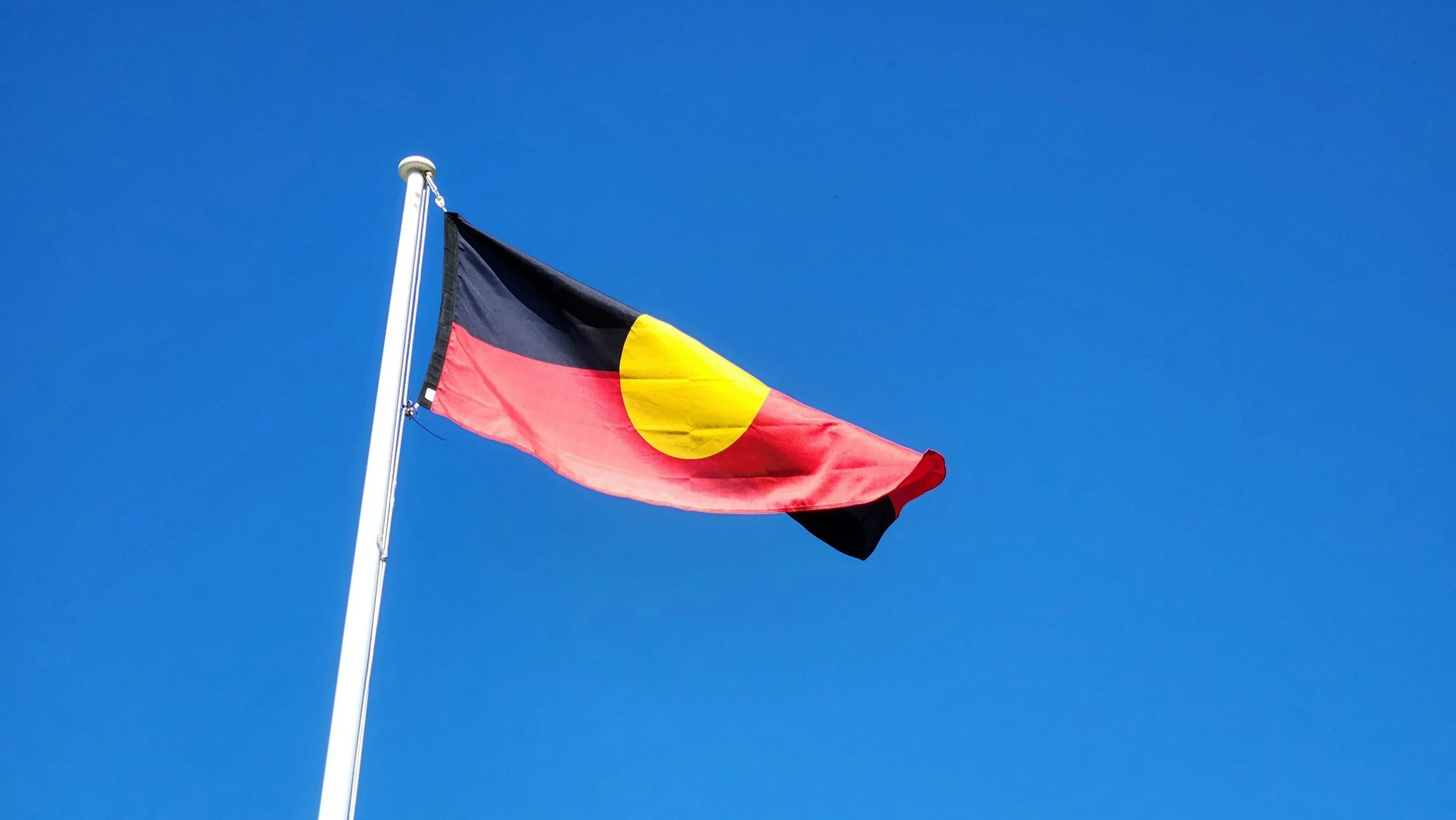
WHAT TEACHERS CAN DO:
Use “First Nations”.
Over time, people in Australia adopted the term because words like “Aborigine”can carry painful, colonial baggage, and words like “Indigenous” can feel too generic.