
Bush Tucker Plants
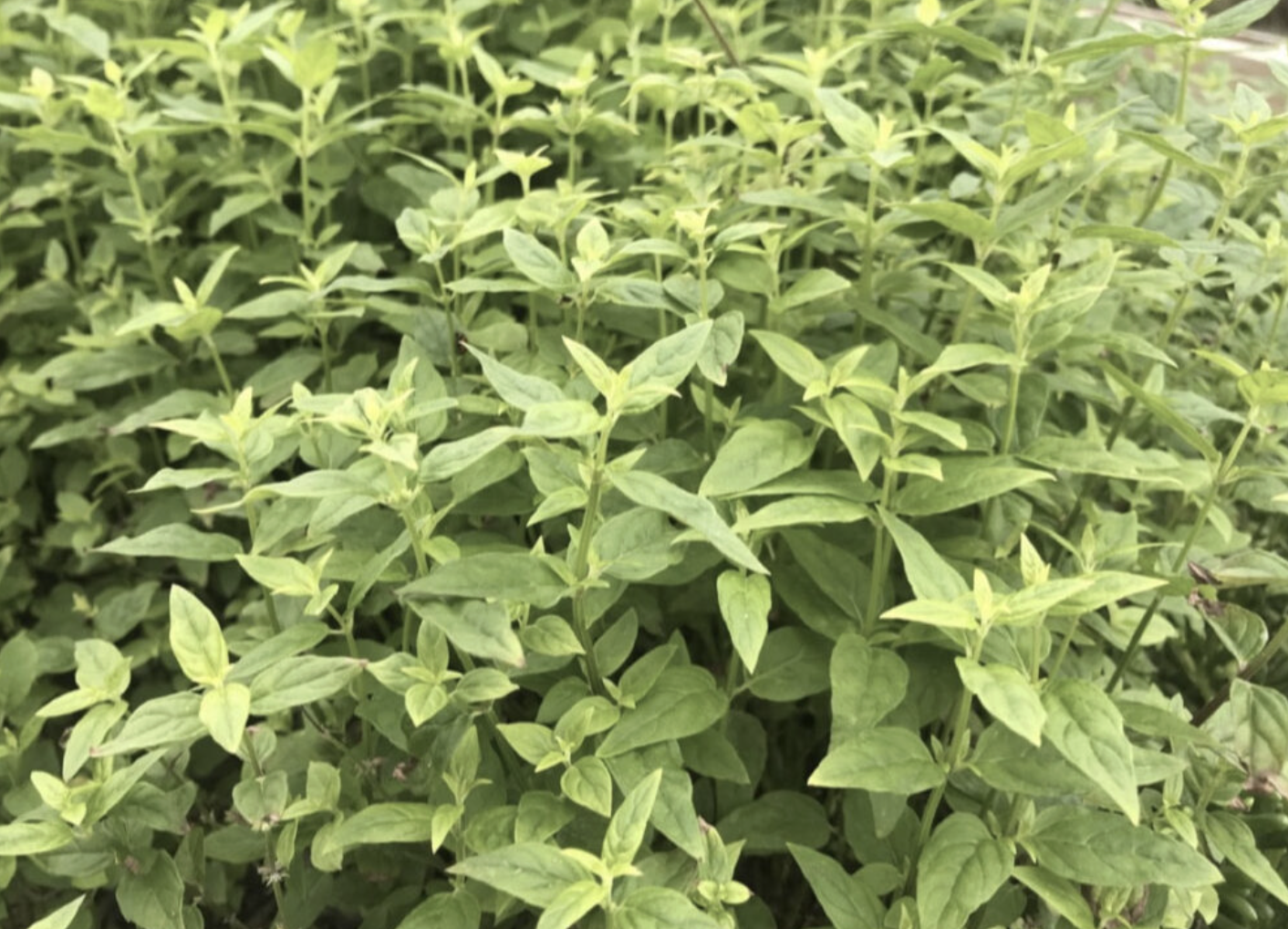
Poang-Gurk
(Djab Wurrung)
Native River Mint
Height: 30cm(h) x 100cm(w)
Grows in full sun or part shade, likes moist to wet soils.
Cultural uses: eases the effects of colds, crush, leaves to ease headache, insect repellent and medicinal herb also good in tea and desserts.
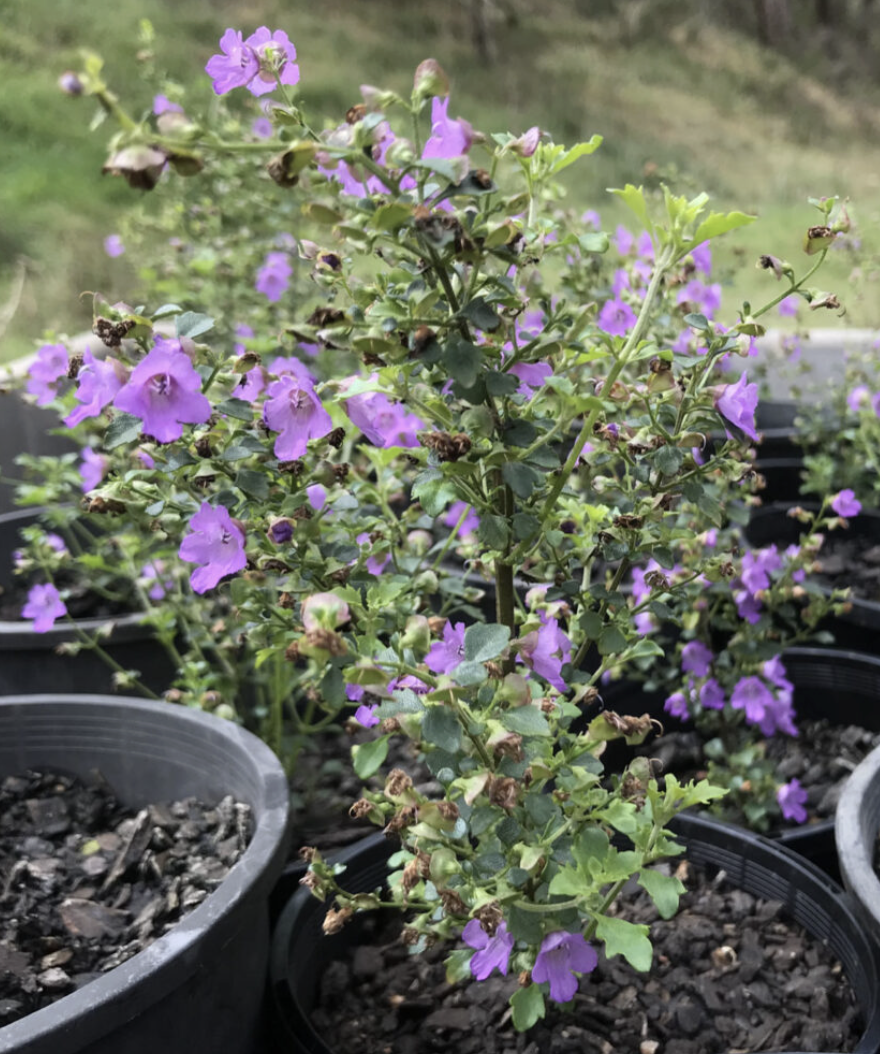
Native Thyme
Height: 2m(h) x 1m (w)
Grows in full sun or part shade, water well in summer. Stunning mass of purple flowers in springtime.
Cultural uses: Native Thyme was used by Mob for its medicinal and antibacterial properties, for high blod pressure, also to lower cholesterol.
Recipe ideas: Use as a herb Roo burgers
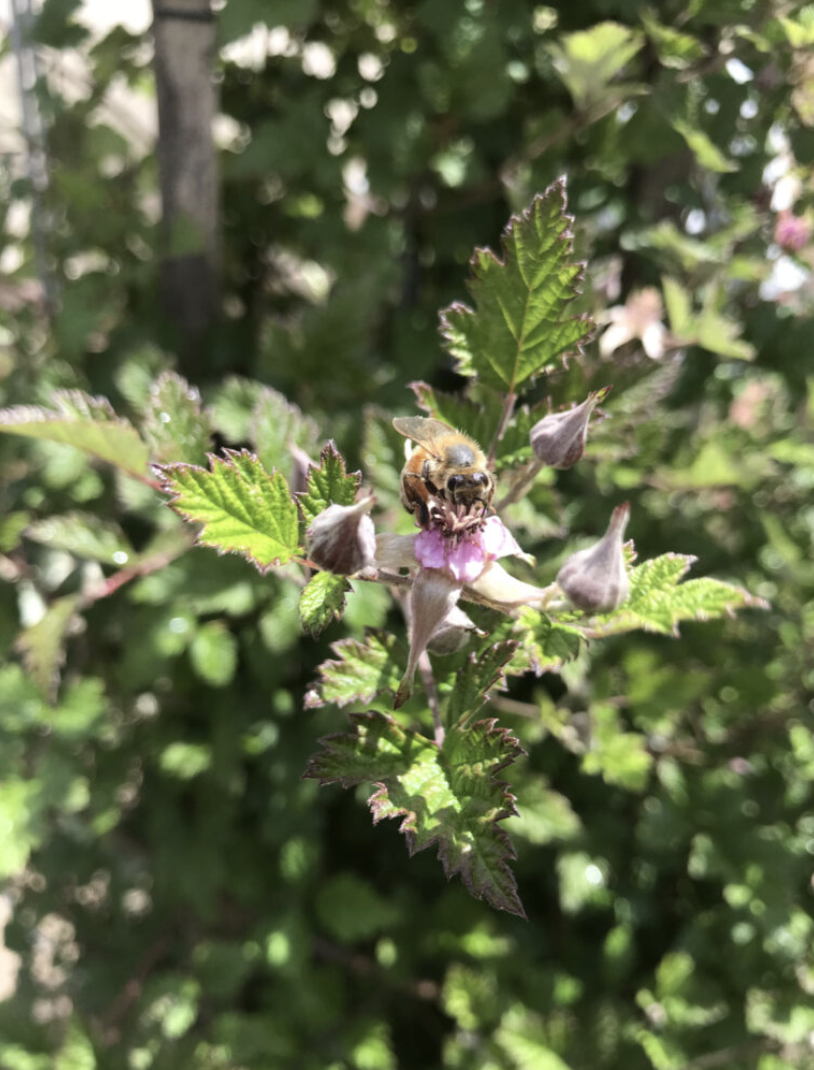
Eepaeep
(Woi Wurrung)
Barrinj-Gootch (Djab Wurrung)
Native Raspberry
Height: up to 2m tall
Grows best in well-drained soil and can be trellised for easy harvesting. Drought, salt and frost tolerant.
Flowers in October to December and berries form from December. Berries are high in antioxidants and a tea made form the leaves is good for stomach upsets.
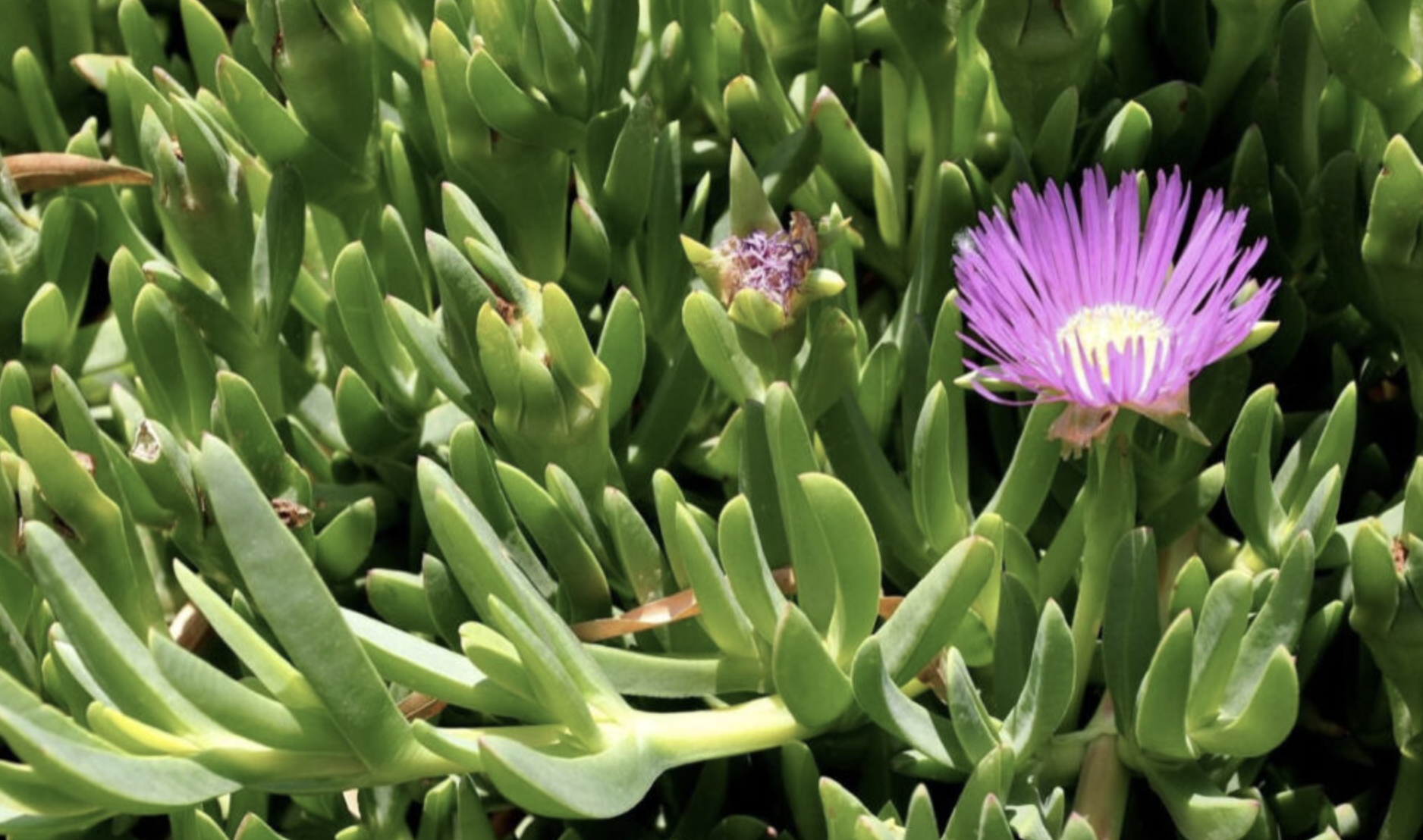
Karkalla
Round Leafed Pigface
Height: 10cm (h) x 1m (w)
A vigorous succulent ground cover, which is frost and drought tolerant. Has very low water needs and acts as a living mulch to keep moisture in the soil.
Purple and Pink flowers open in spring and summer followed by small red or brown fruits which are eaten fresh or dried. Leaves are also edible.
Tyulern
(Wemba Wemba)
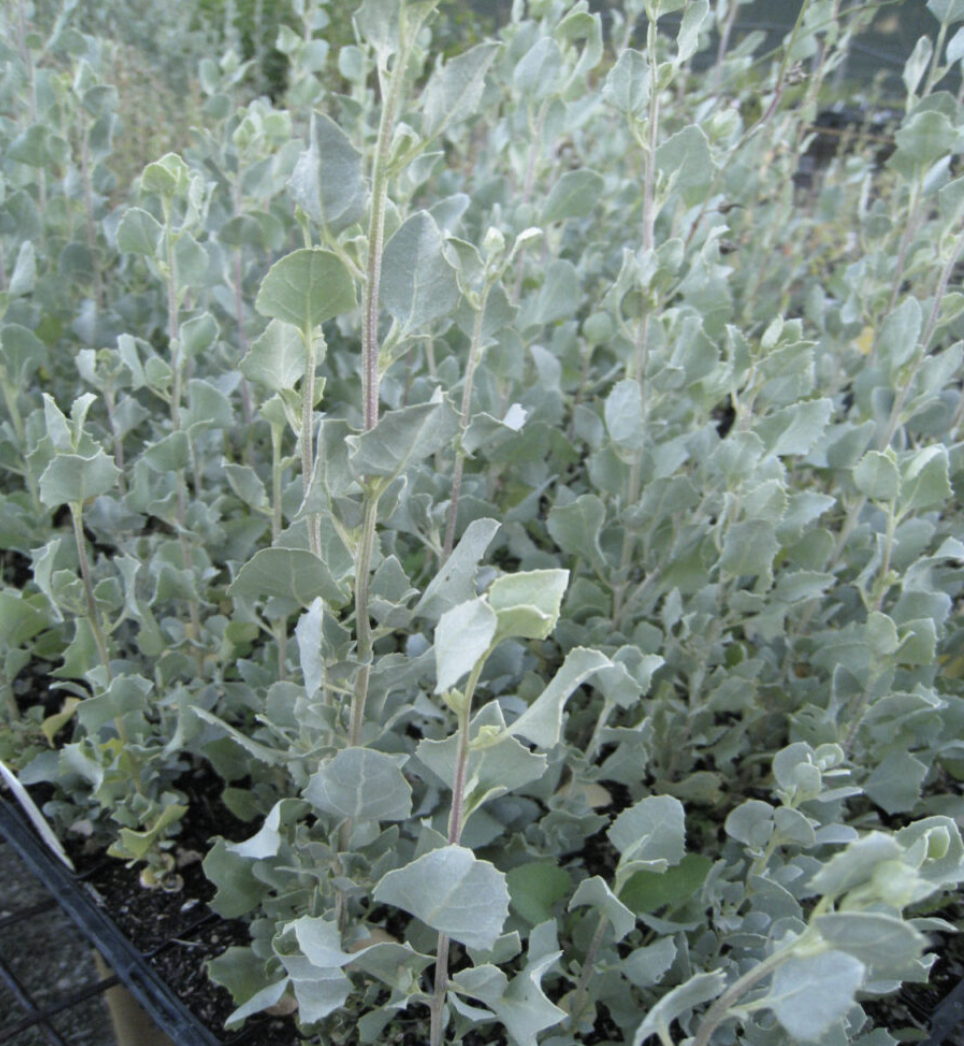
Old Man Saltbush
Height: 2-3m(h) x 1-2m (w)
This is a fast growing shrub which is frost, wind and drought tolerant. Grow in full sun or part shade and water well for the first year until established.
Leaves and seeds are edible and are rich in protein antioxidants and minerals. Eat fresh or dried attracts insects. It also makes a good windbreak and animal fodder plant and is insect attracting.
Murrnong/Murnong
(Dja Dja Wurrung)
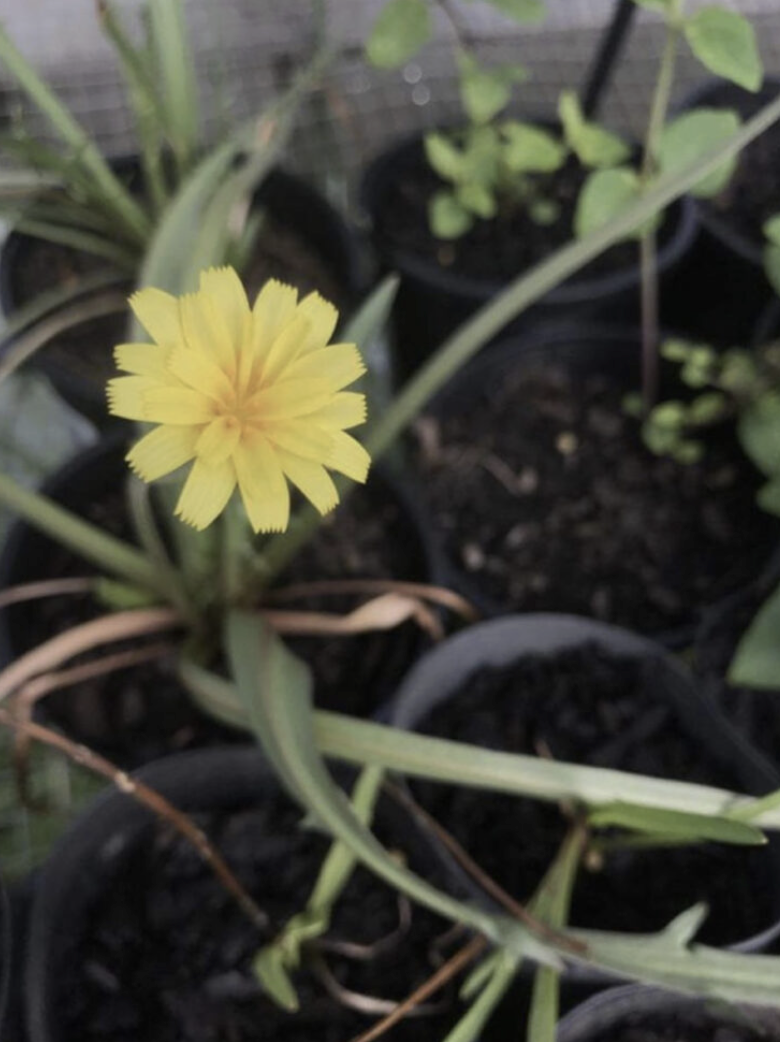
Yam Daisy
Microseris lanceolata
Height: 30cmx 30cm
Grow in full sun or art shade. Leaves appear in Waring (April-July), flowers in Guling (August) and Poorneet (September-October) and dies off in the heat of Meakitch (December), Tubers can be harvested in Biderap (January-Februrary)
Can be grown in the ground or in pots and raised beds and are drought tolerant.
Cultural uses: tubers can be roasted or eaten raw and are a staple food kind of like potatoes. Rich sauce of carbohydrates, calcium and iron.
Ngurp (Bunganditi, Ngarrindjeri)
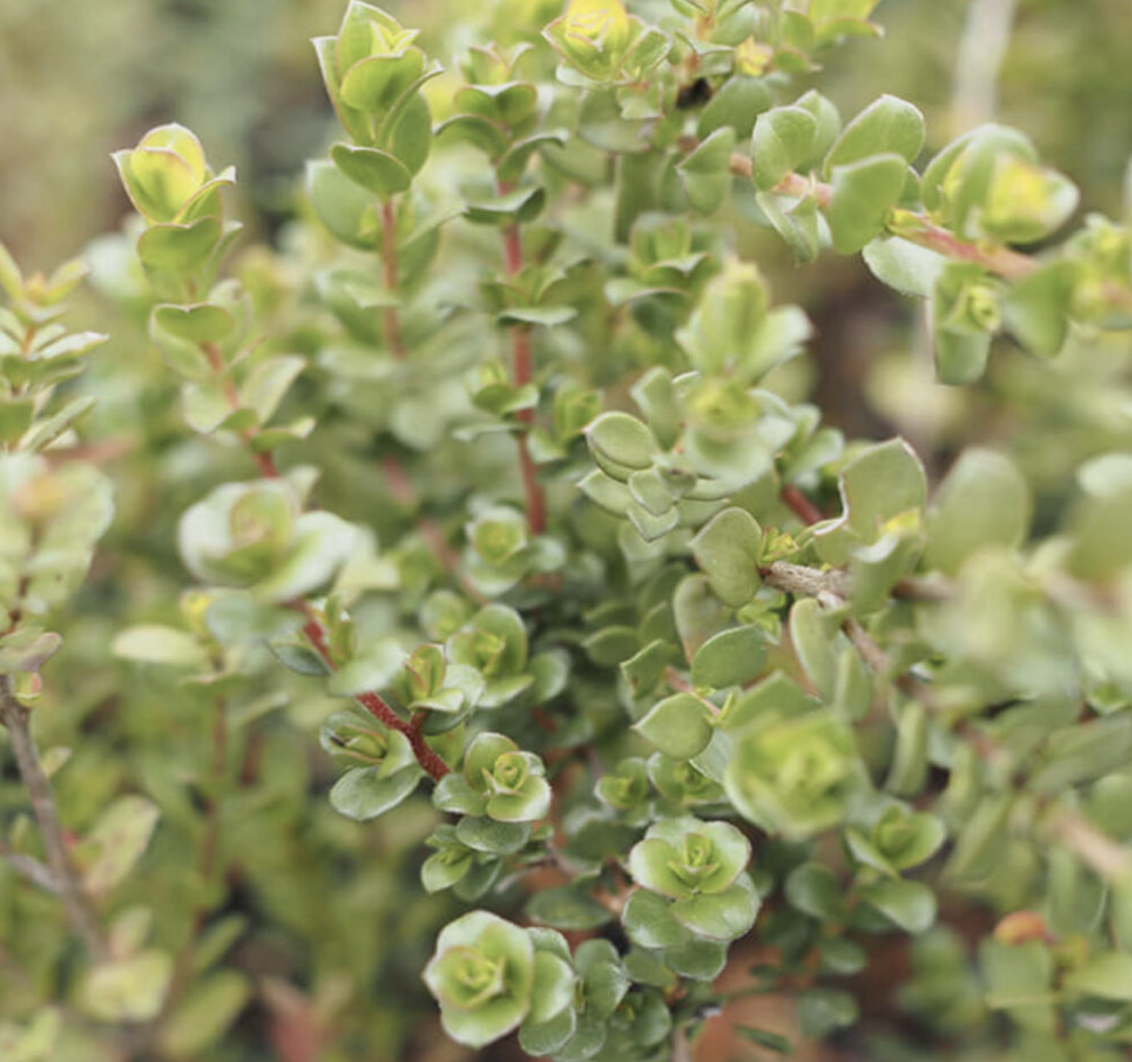
Muntrie
Height: 30cm(h) x 2m (w)
Full Sun or part shade, tolerates drought and frost. Small white flowers open up in spring followed by fruits in late summer and early autumn.
Fruits from 2-3 years onwards with small 1cm round, sweet, crunchy and fragrant fruits. Fruits best if soil is kept moist during flowering and fruiting.
Fruits contain four times more antioxidants than blueberries.
Can be trellised on low wires for easy harvest.
Warrigal (Dharug)
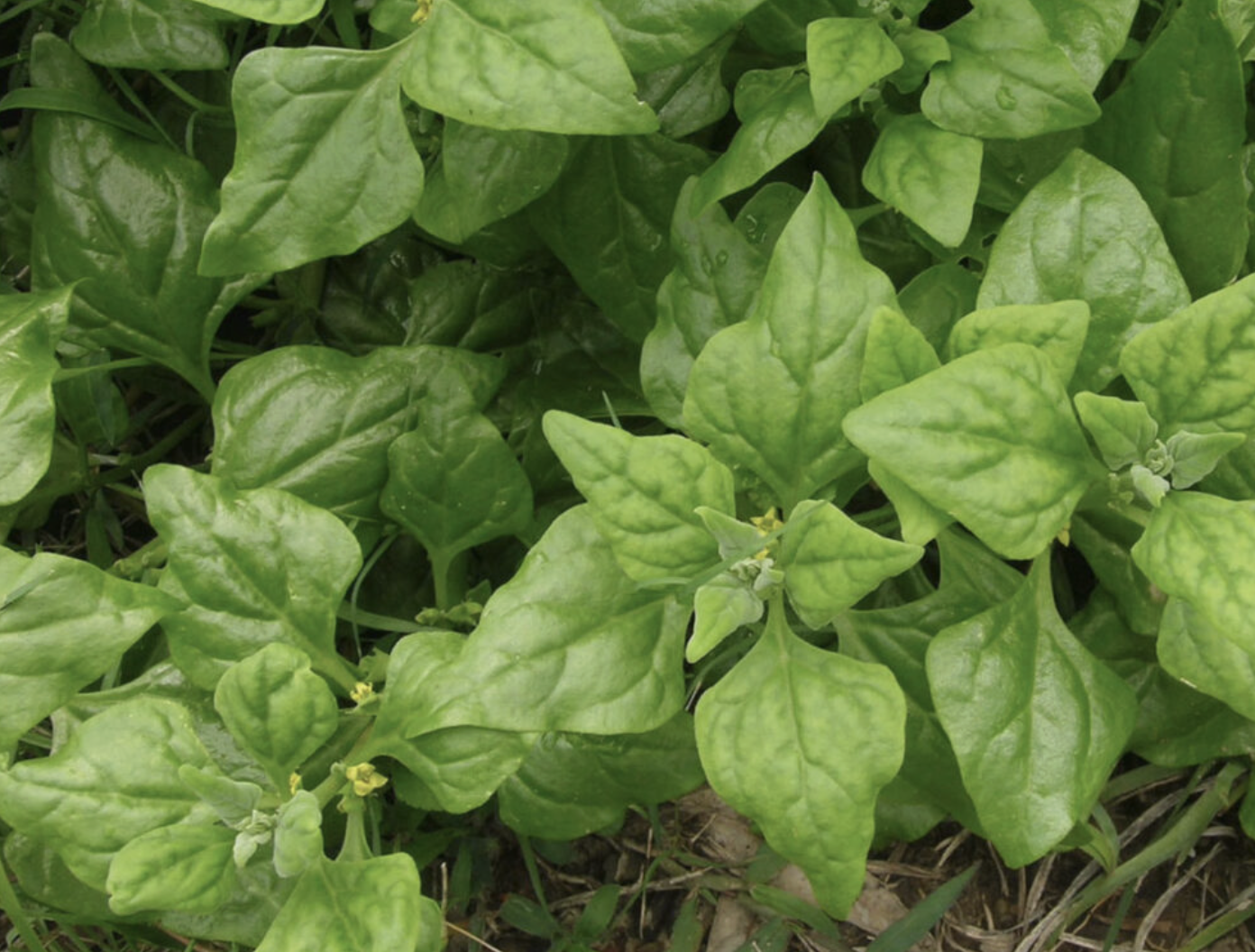
Warriagl greens
Height: 20cm (h) x 2m (w)
Grows in full sun or part shadeand will tolerate most soils but thrives with sun and regular watering. Grows all year round and flowers in spring and summer.
Leaves are eaten and frequent harvesting ensures fresh new growth. Leaves must be lightly steamed or blanched to break down oxalic acid (similar to spinach) and can be eaten in soups, stews, stir fry or pesto.
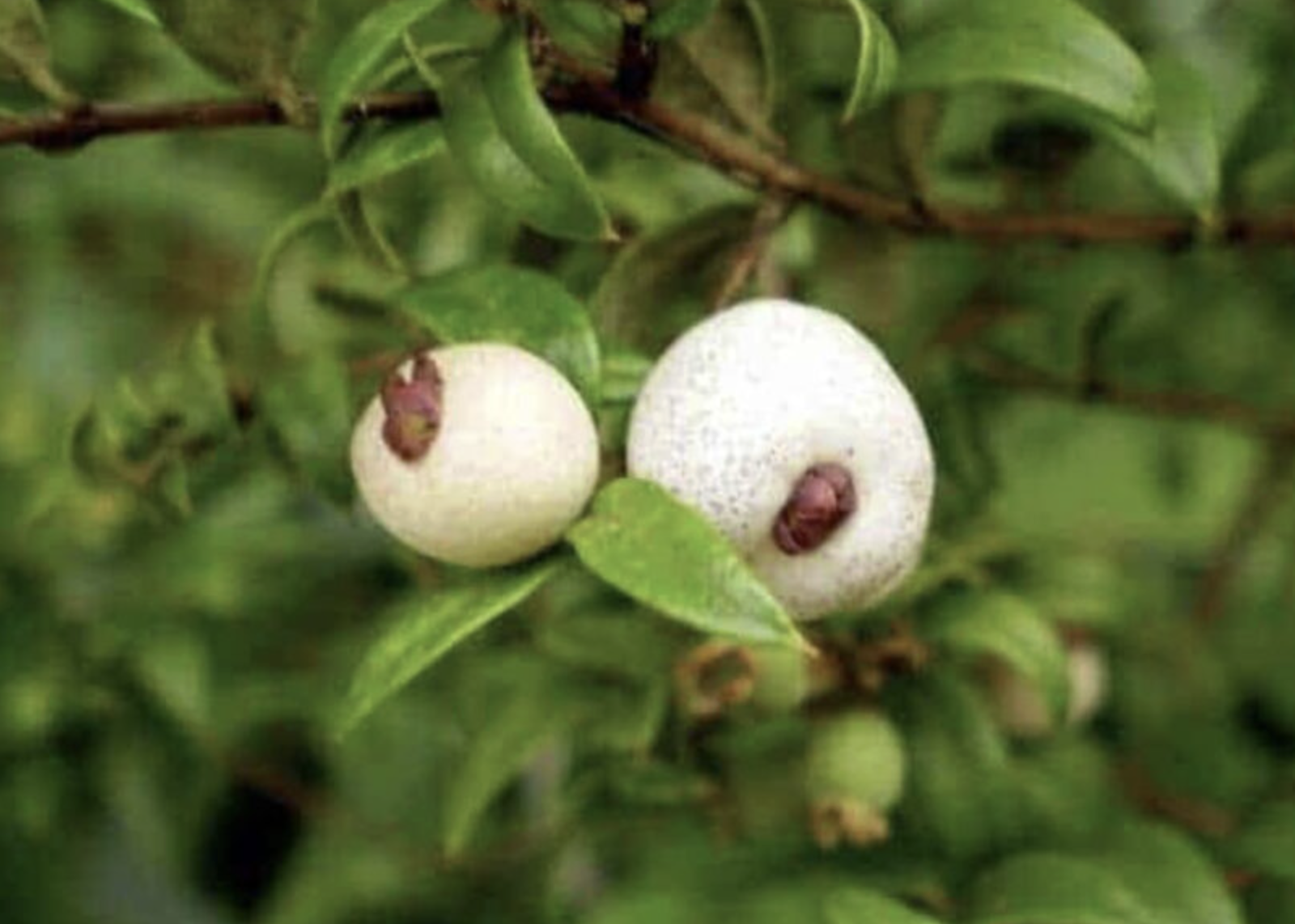
Midgen/Midyim Berry
Height 0.5-1m (h) x 1.5m (w)
Grows in full sun or part shade
Fruits form in late summer, early autumn from 1 year onwards with small white, purple speckled berries, sweet and tangy.
Grows as a small shrub in full sun or more of a sprawling ground cover in part shade. Attracts bees and insects
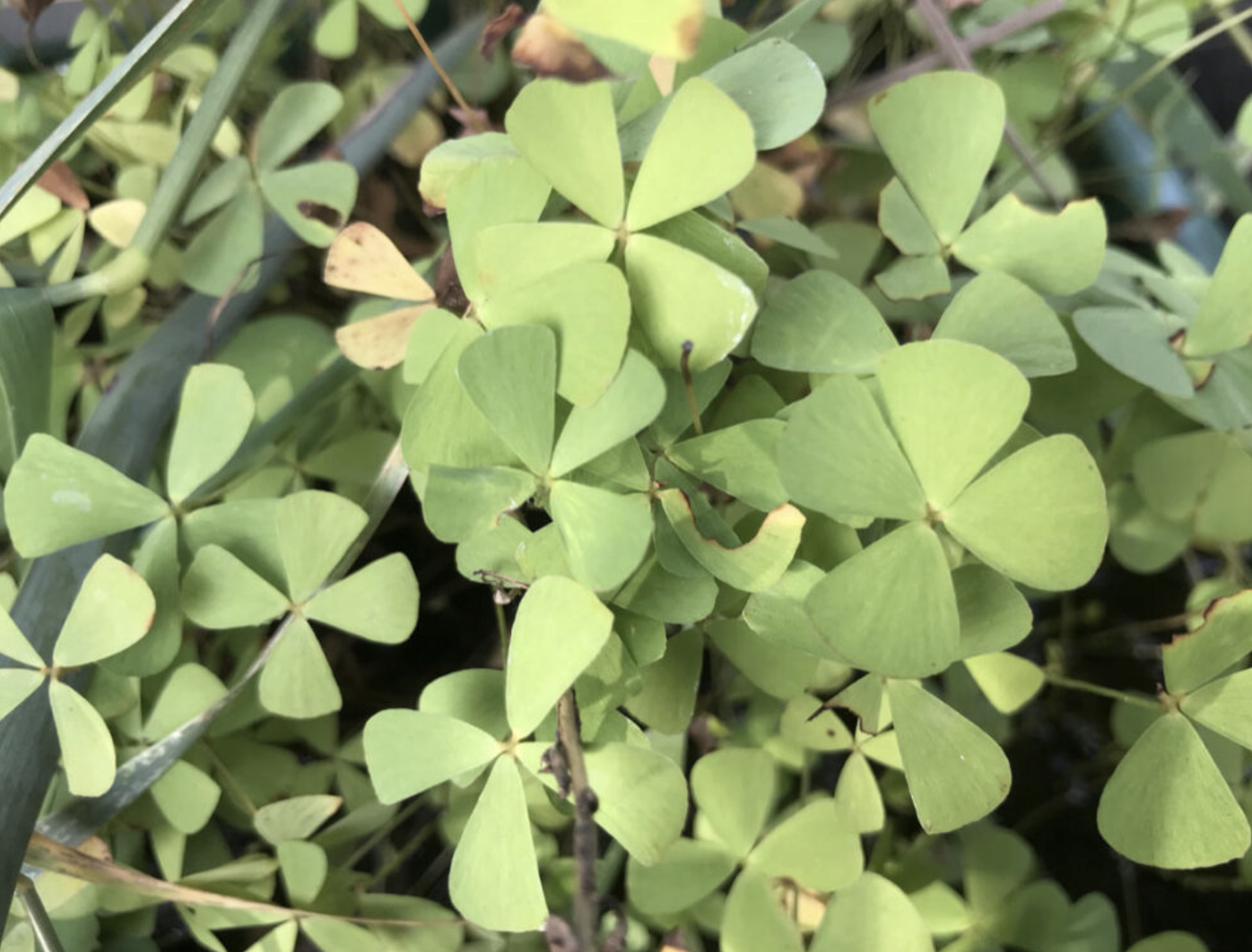
Nardoo (Short Fruited)
A hardy aquatic plant with fern like spreading fronds. It has small spore capsules which, when prepared properly can be eaten but can induce thiamine deficiency when not prepared properly. This is what lead to the demise of the explorers Burke and Wills whilst there colleague King, survived by eating the Nardoo Cakes that the local Indigenous people gave him.
Thrives in full sun or part shade and can tolerate frosts but not long periods of dry. Attracts frogs to the garden by creating good habitat for breeding in ponds
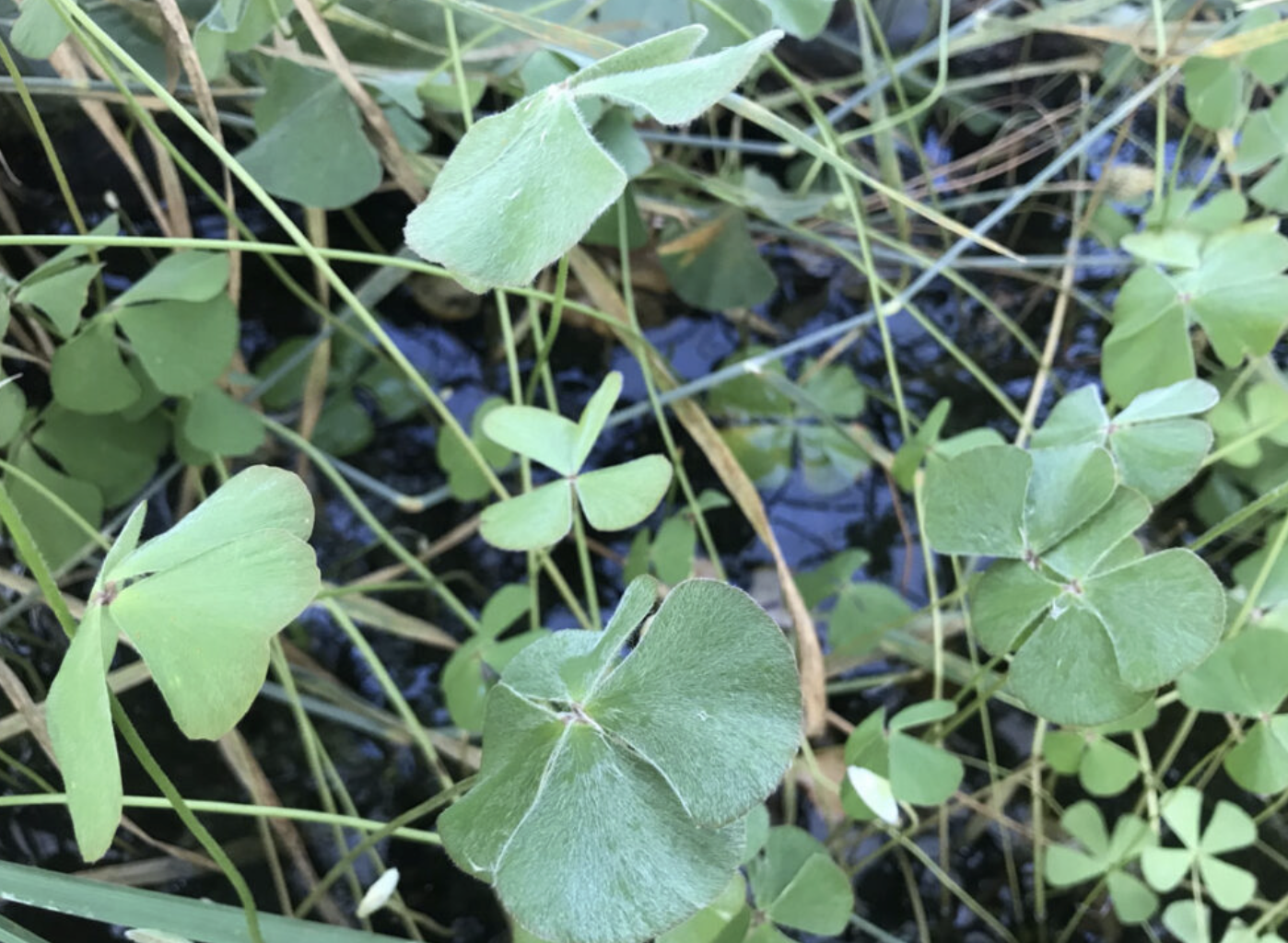
Nardoo (Common)
A hardy aquatic plant with fern like spreading fronds. Leaves are larger than the Short Fruited Nardoo. It has small spore capsules which, when prepared properly can be eaten but can induce thiamine deficiency when not prepared properly. This is what lead to the demise of the explorers Burke and Wills whilst there colleague King, survived by eating the Nardoo Cakes that the local Indigenous people gave him.
Thrives in full sun or part shade and can tolerate frosts but not long periods of dry. Attracts frogs to the garden by creating good habitat for breeding in ponds